The Northeast/Mid-Atlantic Regional Partnership for Organic Transition is supported through the United States Department of Agriculture (USDA) Transition to Organic Partnership Program (TOPP).
TOPP is a program of the USDA Organic Transition Initiative and is administered by the USDA Agricultural Marketing Service (AMS) National Organic Program (NOP).
Active mentorship and event programming have concluded, but resources remain available.

Northeast/Mid-Atlantic Regional Partnership for Organic Transition was a coalition of organizations providing technical assistance and wrap-around support for transitioning and existing organic farmers.
This Regional Partnership served producers in Pennsylvania, Washington, DC, Maine, Massachusetts, Vermont, New Hampshire, Connecticut, Rhode Island, New York, New Jersey, West Virginia, Virginia, Maryland, and Delaware.
Two Years of Progress: How TOPP is Growing Organic from the Ground Up
Since launching in 2022, the USDA Transition to Organic Partnership Program has played a key role in strengthening organic farming communities. This report reflects on the program’s first two years, featuring producer stories, meaningful partnerships, and key insights into how TOPP helps operations transition to organic, supports local economies, and creates new market opportunities.
TOPP Resource Gallery
TOPP Resource Gallery
-
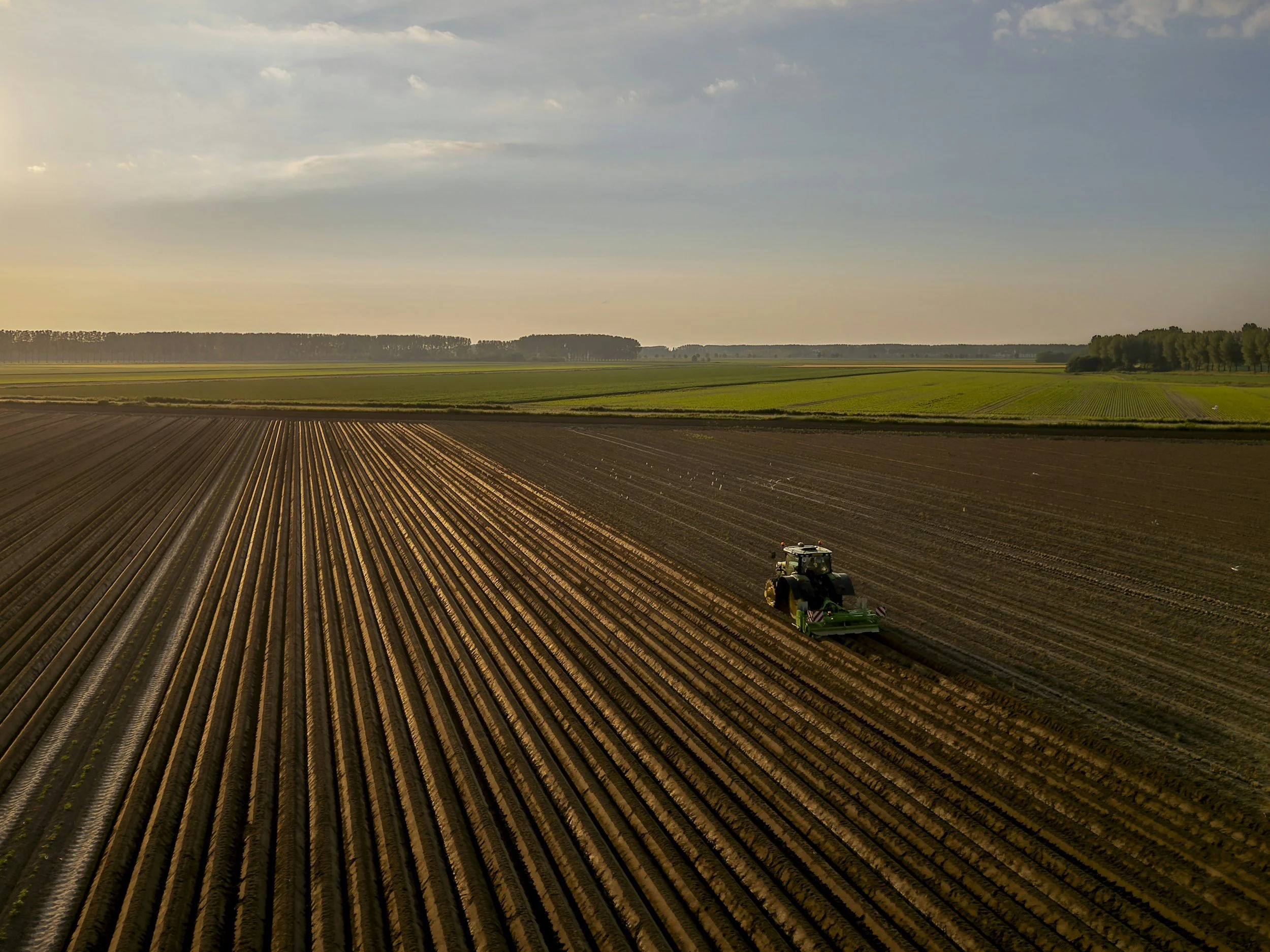
![tractor in a brown field plowing, with a blue sky in the background]()
National TOPP Resources Website
-
![A man in a brown jacket walking in a field during sunset.]()
Start Your Organic Journey
-
![A group of chickens and a duck inside a chicken coop with a metal wall and a feeding area.]()
Curious About Organic Material Inputs?
-
![Woman with dreadlocks and tattoos holding a laptop outdoors in a green field.]()
Explore the Organic Regulations
-
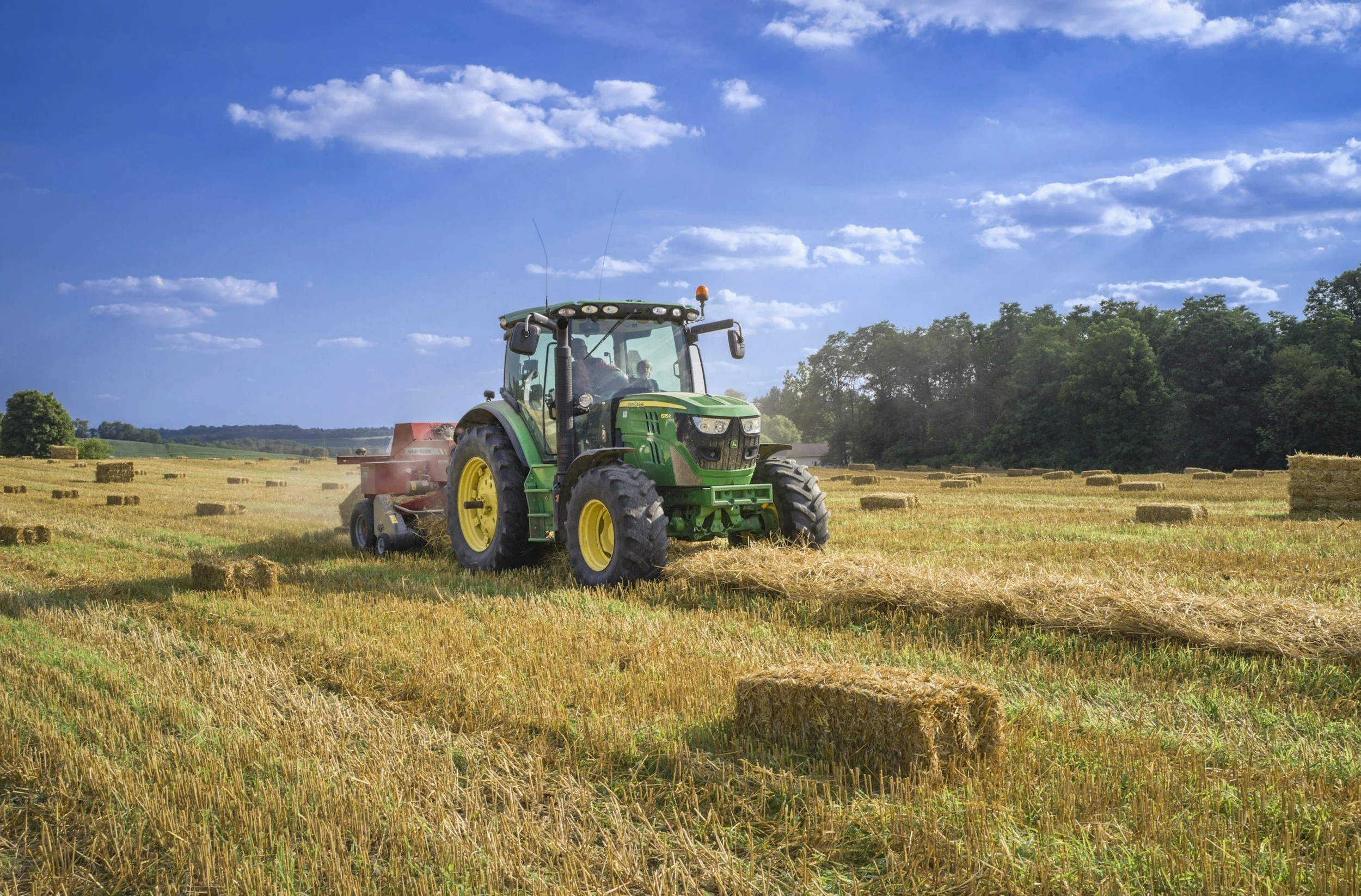
![A green tractor pulling a round baler on a golden field of harvested crops, with rolled hay bales scattered across the field under a blue sky with clouds.]()
Organic Education & Webinar Videos
-
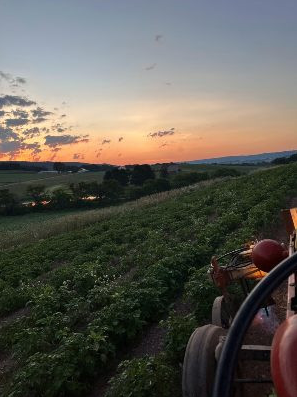
![Farmland during sunset with a tractor in the foreground and rolling hills in the background.]()
Organic Community Events

TOPP Partner Organizations


Learn more about NEW organic mentorship opportunities through Kernal!
Learn more about National TOPP!