Welcome to the PCO
Help Center
This page is your starting point for guidance documents, forms, and resources to support you throughout your certification journey.
Whether you are applying, renewing, or maintaining certification, you will find the materials you need here.
Forms may be completed electronically by downloading and saving them to your computer, or you may print them and complete them by hand. Most documents are provided as PDFs and if downloaded, require a PDF reader, such as Adobe Reader.
If you would prefer to receive documents by mail, please contact the PCO office, and we will be happy to send them to you. Contact us!
Find Forms & Guidance
Explore our most common forms and guidance documents below, or use the search box to find what you need quickly.
What are you looking for?

FREQUENTLY ASKED QUESTIONS ABOUT ORGANIC CERTIFICATION
-
Farmers | Growers | Producers
Stand out in today’s growing organic marketplace with certification that builds trust and opens doors to success. As more consumers seek out organic products and learn about their environmental and health benefits, certified organic operations are becoming more valuable than ever.
Organic certification gives buyers confidence that your products are grown and produced according to strict federal organic standards. Backed by the USDA and PCO Certified Organic seals, your commitment to quality, transparency, and responsible farming is clear at every stage of production.
Why Organic Matters
Today’s consumers care deeply about where their food comes from and how it is produced. They want to support farming practices that protect the environment, promote healthy communities, and care for the well-being of animals, farmers, workers, and families.
Organic production starts with healthy soil, a farm’s most valuable resource. By avoiding synthetic chemicals and using practices that work in harmony with nature, organic operations build stronger soil, grow healthier crops, protect clean water, and create a healthier environment for future generations.
Choosing organic certification is more than meeting a standard. It’s a powerful way to show customers that your operation is committed to sustainability, integrity, and long-term success.
Why Organic Certification for Processors & Consumer Brands
Today’s shoppers are reading labels more carefully than ever before. Consumers want products made with ingredients they recognize and production methods they trust. Organic certification helps processors, manufacturers, and consumer brands meet that demand while strengthening brand credibility and market appeal.
Adding certified organic products to your lineup can help your business:
Reach health-and environmentally-conscious consumers
Differentiate your brand in a competitive marketplace
Build trust through verified standards and transparent sourcing
Access new retail, wholesale, and distribution opportunities
Demonstrate a commitment to sustainability and responsible production
Whether you manufacture packaged foods, beverages, personal care products, textiles, or private label goods, organic certification signals quality and integrity that today’s consumers value.
-
The United States Department of Agriculture (USDA) requires anyone who grows, processes, or handles organic products to be certified before they can sell or label their products as “organic” or use the USDA organic seal. To get certified, a producer or business must create and follow an organic system plan that explains how they meet organic standards.
After the plan is approved, PCO sends a trained inspector to visit the farm or facility. The inspector reviews the operation to make sure it follows the rules. Then, PCO looks at the plan, the inspection report, and other records to decide if the operation qualifies for organic certification. Once certified, the operation must update its plan, pay fees, and be inspected every year.
PCO’s certification program is approved by the USDA and follows the rules of the National Organic Program. Organic certification does not guarantee that a product is higher quality or completely pure. Instead, it shows that the farm or business follows strict practices, like building healthy soil, protecting the environment, treating animals well, and avoiding harmful synthetic chemicals.
-
The USDA regulates the use of such terms as “organic” or “organically produced.” In order to market your product as organic, USDA regulations require certification by an accredited certification agency (ACA). PCO is a non-profit ACA and has been established since 1997.
-
Yes.
Product & Facility
Handler certification applies to operations that produce, process, or manage organic products.
For processed or packaged goods, certification covers both the ingredients used and the facility where the products are handled, packaged, or labeled.
Facilities are required to maintain strict practices that prevent commingling with non-organic products and protect against cross-contamination from prohibited substances.
Processory vs Handler
Not every handler is a processor, but every processor is considered a handler. Some operations don’t physically process, package, or label products at all. This can include private-label brands that outsource manufacturing, retail stores, or businesses that broker or trade in organic goods. Even without direct involvement in production, these types of operations can still qualify for handler certification.
-
USDA requires that producers submit an “Organic System Plan” or “OSP”.
PCO will provide an application to help you meet those requirements, and our staff can assist you with completing the application. Record-keeping is required and varies according to the type of operation.
-
If you are currently farming using conventional methods, you can reach out to the Leads Specialist at PCO and ask for information and an application packet. This will help you understand what steps to take to become an organic producer before your first organic harvest.
The packet includes everything you need to apply for certification, such as organic system plan forms and helpful guidance sheets. When you apply, if small issues are found, you will be given time to fix them without needing to start the process over.
Once you are certified, you can also take part in PCO meetings and forums, where you can learn more about organic farming and connect with others in the organic community.
Head over to our ‘Start Your Organic Journey’ page to learn more about organic transition!
-
The cost of annual certification is based on the type of operation and gross income from organic sales. In addition to the certification fee, applicants must pay the cost of the annual inspection and any additional assessments, such as livestock or processing.
Cost-Share Funds may be available to help pay for certification fees through your state’s Department of Agriculture or your local Farm Service Agency (FSA) office.
Visit the Certification Fees & Costs page for PCO’s fee schedule and other resources.
-
The certification process typically takes about 22-24 weeks, depending on location and time in the season. We do try to work with our client’s timeline as much as possible so be sure to note when you would like to be certified by on your Organic System Plan General Information document included with the application. PCO also offers expedited service for an additional fee.
All operations will have an on-site inspection prior to being issued certification. The regulations require initial inspections occur at a time when all areas of the operation can be inspected.
Other factors involved are: completeness of the application, quality of record keeping/ability for the inspector to perform audits, availability of an inspector, and complexity of the operation, which may take additional review time.
-
All farmland must be free from the use of prohibited materials for at least three years before harvest of an organic crop. Prohibited materials include, but are not limited to: chemical herbicides, pesticides, fungicides, fertilizers, sewage sludge, and genetically modified organisms. Growers develop a specific organic system plan for approval by the certification agency. Adequate buffer areas must separate organic land from land being farmed conventionally. Animals must have outdoor access and be raised on organic feed under humane, sanitary conditions without the routine use of antibiotics or other harmful drugs. Each certified operation is inspected annually by an organic inspector. The inspector visits the farm or handling facility and reviews the operation’s records, such as field histories, inputs into the system, livestock care, and sales records.
The full standards and requirements can be found on the USDA – National Organic Program website. The full standards can also be found in PCO’s National Organic Program Manual, and information on pursuing and maintaining certification with PCO can be found in the PCO Certification Manual.
PCO also publishes its own Materials List that can be used to help you decide whether something you are using— fertilizer, biological treatment, feed supplement, etc.— is permitted for use in organic production. You may pay the New Applicant Fee at the time of submitting your application paperwork or before completing the paperwork if you would like these resources to assist you while filling out your Organic System Plan.
-
You can place a portion of your farm or handling operation under organic management (with an approved organic system plan) and certify other areas as they become eligible. If you intend to manage part of your operation non-organically, proper separation and record-keeping must be maintained between organic and non-organic production.
-
Operations may be able to certify the land sooner if they are able to obtain proper evidence from the prior property owner that no prohibited materials were applied.
This may be documented on PCO’s Prior Land Use form which is included with all crops application packets. Check out our other available forms on the Common Forms page.
-
PCO Certified Organic is more than a certification agency. We are a trusted partner dedicated to helping your operation succeed in the organic marketplace with confidence, credibility, and personalized support.
Since 1997, PCO has built a reputation for integrity, transparency, and dependable service. Our experienced team understands organic production from the ground up, providing practical guidance rooted in real-world expertise. Whether you are new to organic certification or managing a well-established operation, we help simplify the process and provide clear, up-to-date direction on evolving organic regulations.
At PCO, clients are never just a number. We take pride in offering responsive, personalized customer service tailored to the unique needs of each operation. From timely in-house materials reviews to modern tools like the Common Organic System Plan that reduce paperwork and improve efficiency, every part of our process is designed to make organic certification more accessible, accurate, and manageable.
When you choose PCO Certified Organic, you gain a knowledgeable team committed to protecting the integrity of organic agriculture while helping your business grow with confidence.
Certification Resource Gallery
Resource Gallery
-
![A man in a plaid shirt standing inside a greenhouse, inspecting plants while holding a tablet.]()
Organic Record Keeping
-
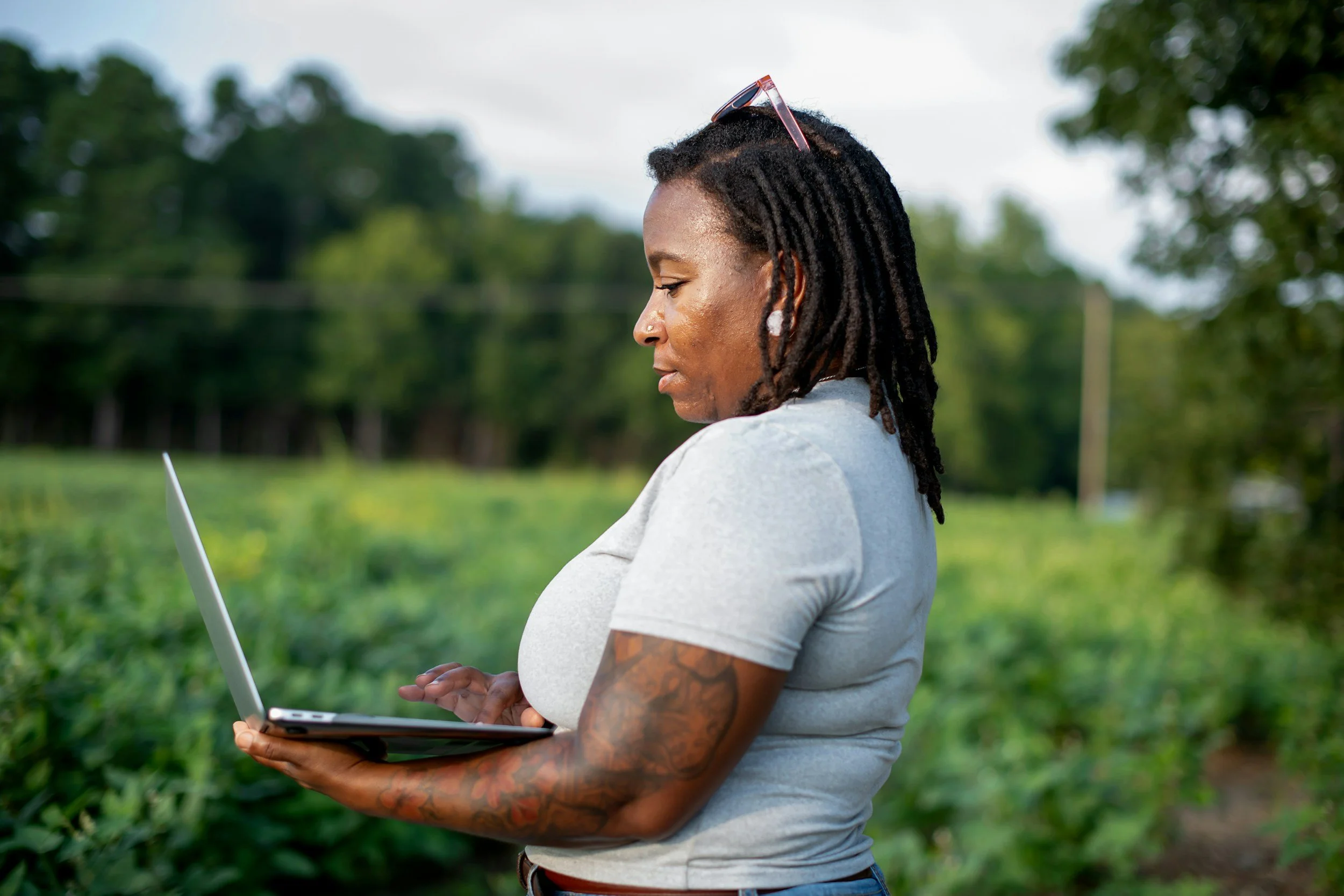
![A woman with dreadlocks and tattoos is outdoors, looking at a laptop she is holding in her hands, with a background of green trees and open sky.]()
Explore the Organic Regulations
-
![A group of chickens in a farmyard with some standing on a ramp, and others on the ground. The setting is a chicken coop with a blue metal wall and wooden structure.]()
Curious About Organic Material Inputs?
-
![A worker in a meat processing facility wearing a hairnet, face mask, and gloves, inspecting or recording information on a clipboard near hanging racks of cured meats.]()
Resources for Processor/Handlers
-
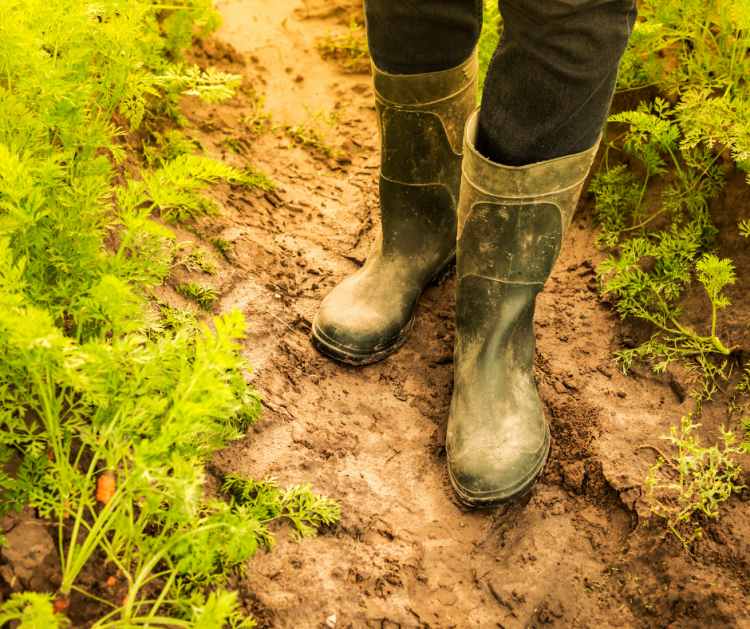
![Person standing in a vegetable garden wearing rubber boots, surrounded by green leafy plants.]()
Organic Inspection Overview
-
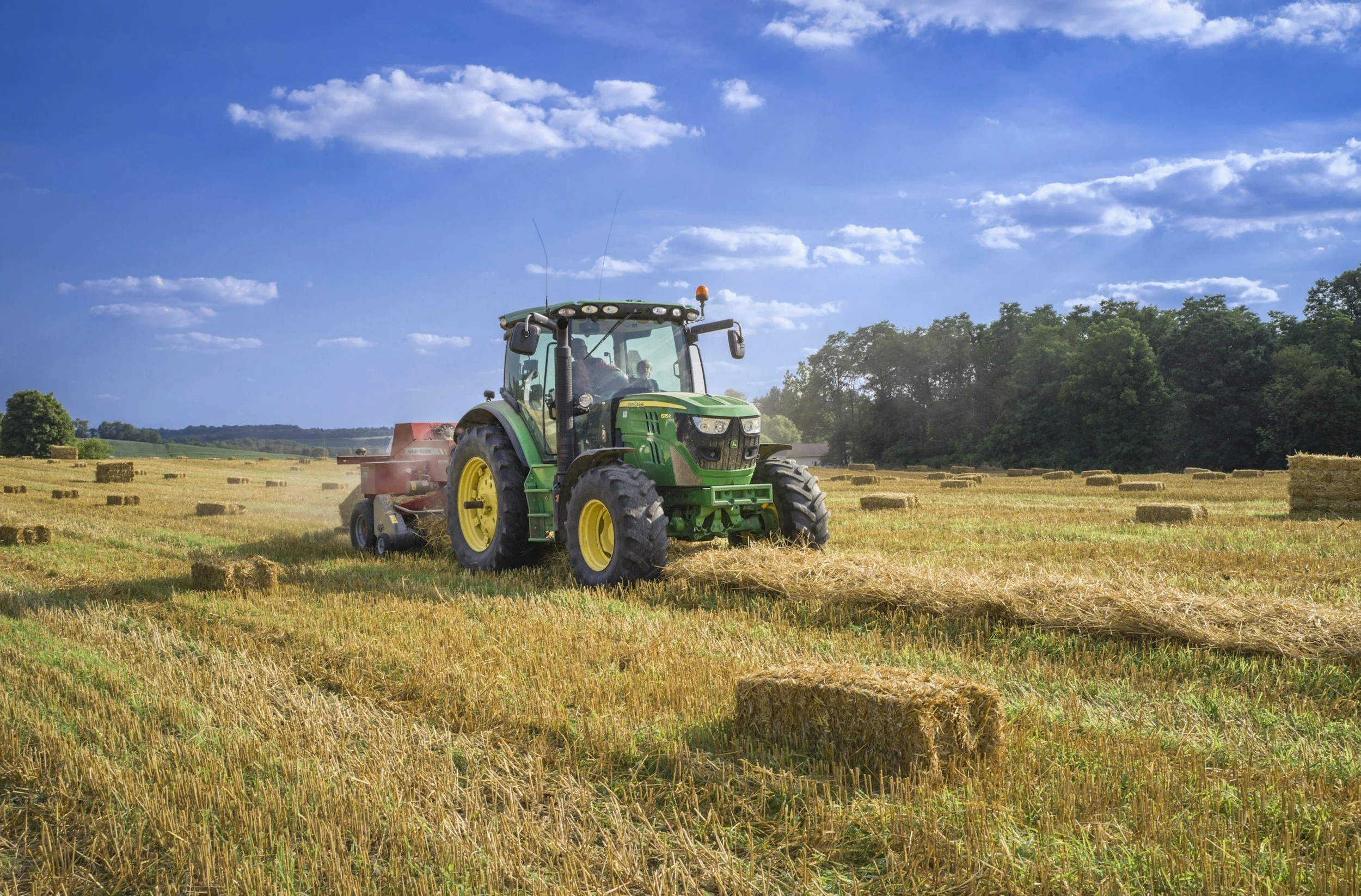
![A green tractor pulling hay in a field with hay bales and trees in the background under a blue sky with clouds.]()
Organic Education & Webinar Videos
-
![A girl in a blue jacket loading potted flowers into the back of a pickup truck at a garden center.]()
PCO Guidance Documents
-
![A person holding a handful of fresh garlic bulbs with roots attached, against a blurred green background.]()
PCO Common Forms





Need Help Navigating PCO’s Certification Portal or Paying An Invoice?
Check out these video tutorials or contact us with any questions.